Three Things to Do in the Garden This July
July can feel like one of the quietest months in the garden, but it is also one of the most useful.
While spring and summer get all the attention, winter is when some of the most important gardening jobs happen in the background. The soil rests. The beds soften. Fallen leaves become food. And gardeners get a rare moment to think before the busy season begins again.
If you are wondering what to do in the garden in July, here are three simple winter gardening jobs worth making time for, including one you really should not put off.
1. Rake Your Leaves and Use Them as Mulch
Before you bag up fallen leaves or send them away in the green waste bin, pause.
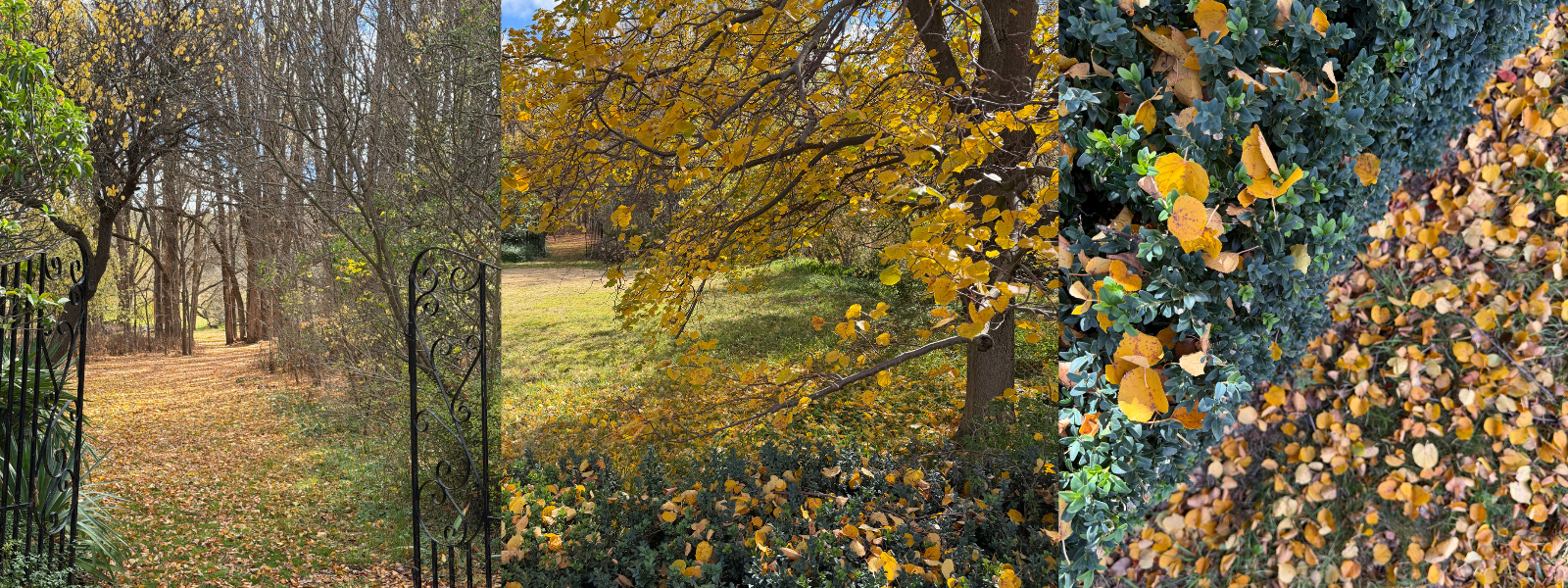
Those leaves are one of the easiest and most natural ways to improve your garden soil. Raking leaves onto your garden beds in July gives them time to slowly break down over winter, feeding the soil and helping protect plant roots from the cold.
Leaf mulch is especially useful around shrubs, perennials, roses, fruit trees, and established garden beds. It helps retain moisture, suppresses weeds and adds organic matter back into the earth.
The best part? It is completely free.
Simply rake your leaves into a light layer over your beds, keeping them slightly away from the stems and crowns of plants so they do not become too damp. Over the coming months, winter rain, worms, and microbes will begin turning them into something your soil will love by spring.
This is one of those small July garden jobs that makes a big difference later.
GARDEN THIS WINTER WITH LE SAC

2. Plan Your Spring and Summer Garden
July is one of the best months to plan your garden.
When the garden slows down, your mind can finally catch up. There is less urgency, fewer flowers demanding attention, and more space to think about what you really want from your garden in the months ahead.
Sit down with a notebook, seed catalogue, garden journal, or even your notes app and ask yourself a few simple questions.
What do I want more of this year?
Do I want more roses, more colour, more herbs, more vegetables, or a small cutting garden?
Which areas felt bare last summer?
What plants struggled?
What would make the garden feel more useful, beautiful, or enjoyable?
Planning your garden in winter gives you a head start before nurseries become busy and the spring rush begins. It also helps you avoid impulse buying plants that do not suit your space, soil, or lifestyle.
This is a lovely time to sketch out garden beds, make a wishlist, note what needs replacing, and think about how you want the garden to feel when the warmer months return.

3. Buy Bare-Rooted Plants, Bulbs and Winter Favourites Now
If there is one July gardening job you really cannot put off, it is this one: buy now.
Winter is the secret season for buying plants.
Bare-rooted roses, peonies, fruit trees, and some perennials are usually available in winter, and they are often far better value than buying mature potted plants later in the season. Because they are dormant, they can be planted now and will have time to settle before spring growth begins.
July is also a good time to look for discounted bulbs, winter-hardy plants, and cool-season favourites. Hellebores, violets, camellias, daphne, cyclamen, and other winter beauties are often looking their best right now, which makes it easier to choose plants for shady corners, pots, and garden spaces.
If you want roses blooming in spring, peonies settling in, bulbs ready for next year, or structure added to your garden beds, now is the time to act.
By the time everyone else starts thinking about spring gardening, many of the best winter plant options may already be gone.
GARDEN THIS WINTER WITH LE SAC
Why July Gardening Matters
July may not be full of dramatic blooms or long sunny afternoons, but it is full of opportunity. Raking leaves, improving soil, planning your season, and choosing the right plants now can completely change how your garden looks and feels later in the year.
Winter gardening is not about doing everything. It is about doing the right things while the garden is resting.
So before July slips by, take a slow walk outside. Notice what needs tucking in, what needs feeding, what needs dreaming into being.
Your spring garden will thank you.
Save this list for your next winter garden day, and let July do its work.
Sign up to our newsletter and let us bring the season’s best advice straight to your inbox.