Sarah Curry’s 5 Hardy Perennials for Tough Country Gardens
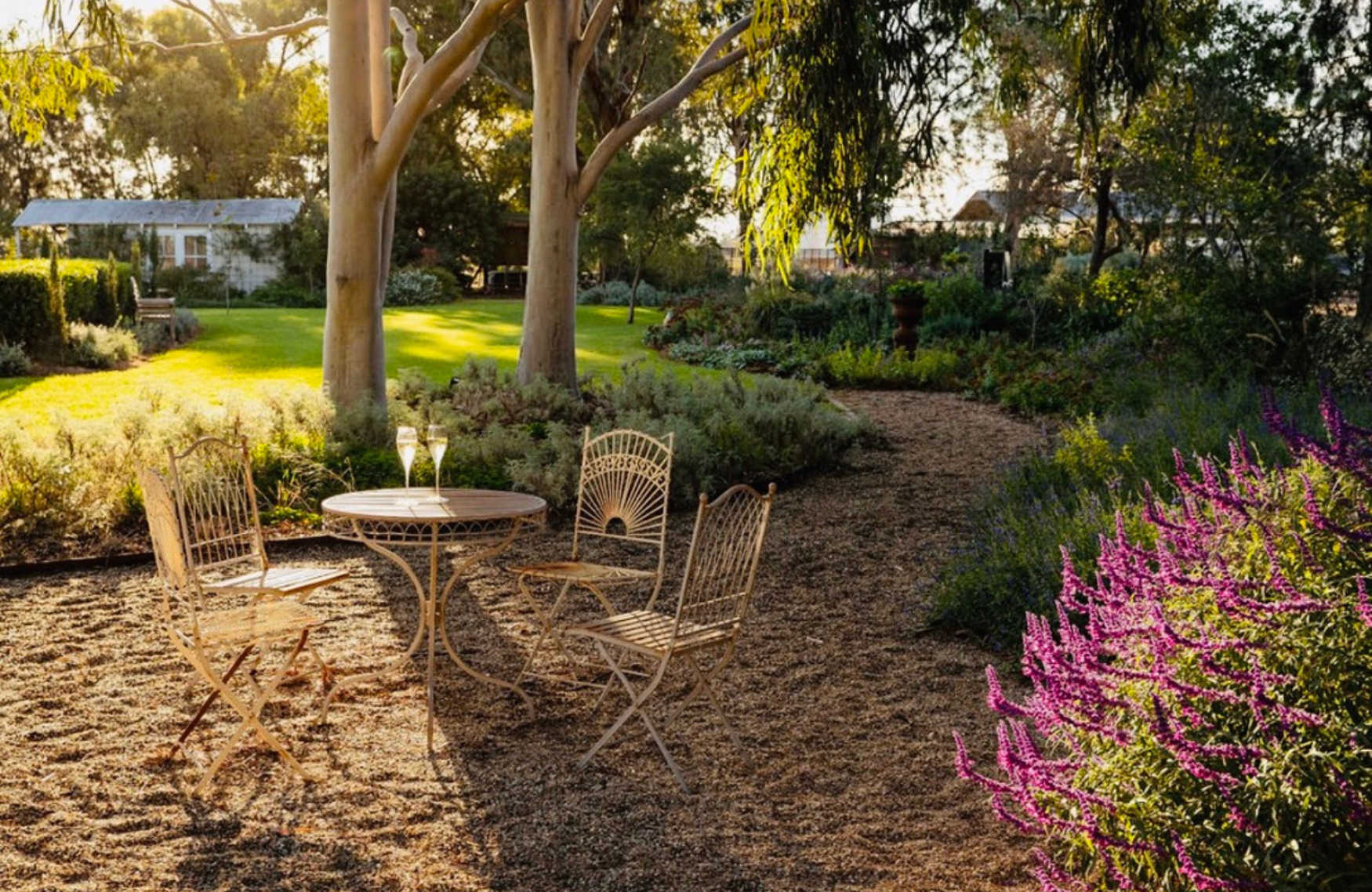
After spending a day at “Majors Point” with Sarah Curry for Day in the Garden, one thing became very clear - every plant in Sarah’s garden earns its place.
Gardening in Central West NSW means plants need to withstand dry summers, frosty winters, harsh conditions, and still bring beauty to the landscape season after season. Sarah admits she’s learnt not to be distracted by plants that simply “catch your eye” but quickly disappoint.
Instead, she returns again and again to hardy herbaceous perennials that quietly thrive, soften the garden, and create lasting impact.
Here are five of Sarah’s favourites she grows, propagates, and recommends most often for country gardens.
Achillea (Yarrow)
Sarah describes Achillea as one of the hardest working perennials in the garden. These clumping plants grow between 30–60cm high with soft feathery foliage and delicate flower heads floating high above the leaves.

One of her favourites is Achillea clypeolata, loved for its soft silver foliage and cloud-like yellow flowers. Despite growing beside a gravel path with afternoon western heat, reflected sun, and very little water, it continues to thrive year after year.
She also loves Achillea “Peachy Seduction” for its beautiful shifting flower tones — moving from peachy pink to rosy blush and eventually soft cream throughout summer.

Caryopteris ‘Grand Bleu’
Compact, drought hardy, and intensely blue in flower, Caryopteris ‘Grand Bleu’ is one of Sarah’s favourite plants for creating impact towards the front of a garden bed.

Growing to around 40–50cm high, Sarah recommends planting it en masse so the deep blue flowers can really be appreciated. She especially loves pairing it behind softer border plants like giant lamb’s ear.
Salvia Leucantha ‘Velour White’
“This plant gives so much for so little effort,” Sarah says.
With velvety grey-green foliage and masses of soft white flowers, Salvia Leucantha ‘Velour White’ quickly fills large spaces while flowering for months on end.

Growing up to 1.5 metres high and 2 metres wide, Sarah loves using them to frame pathways or define entrances into garden rooms. They’re also incredibly easy to propagate, move, and divide — making them one of the best value plants in her garden.
Miscanthus transmorrisonensis
For movement and atmosphere, Sarah always returns to Miscanthus transmorrisonensis.
This spectacular ornamental grass forms lush green domes reaching up to 2 metres high and wide, with delicate flower heads that gradually shift from soft pink-gold tones in summer to fuller golden plumes by autumn.

“The slightest breeze creates movement,” Sarah explains, “and instantly brings a cooling feeling into the garden.”
She especially loves how naturally it transitions from the cultivated garden into the surrounding native plains grassland beyond.
Sedum ‘Autumn Joy’
One plant Sarah believes every tough garden should have is Sedum ‘Autumn Joy’.
Its succulent-like foliage forms beautifully rounded mounds, while broccoli-shaped flowers slowly evolve throughout the seasons — beginning pale green and white, deepening into pink, then eventually rich crimson and rusty red by late autumn.

Hardy, forgiving, and incredibly easy to move or cut back, it’s one of Sarah’s most reliable performers year after year.
As with so much at Majors Point, these plants reflect Sarah’s approach to gardening itself — resilient, generous, deeply beautiful, and designed to last.
Explore more of Sarah’s life, garden, and daily rhythms in our full Day in the Garden feature here.