February in the Garden - Trisha's Meanderings
Bling
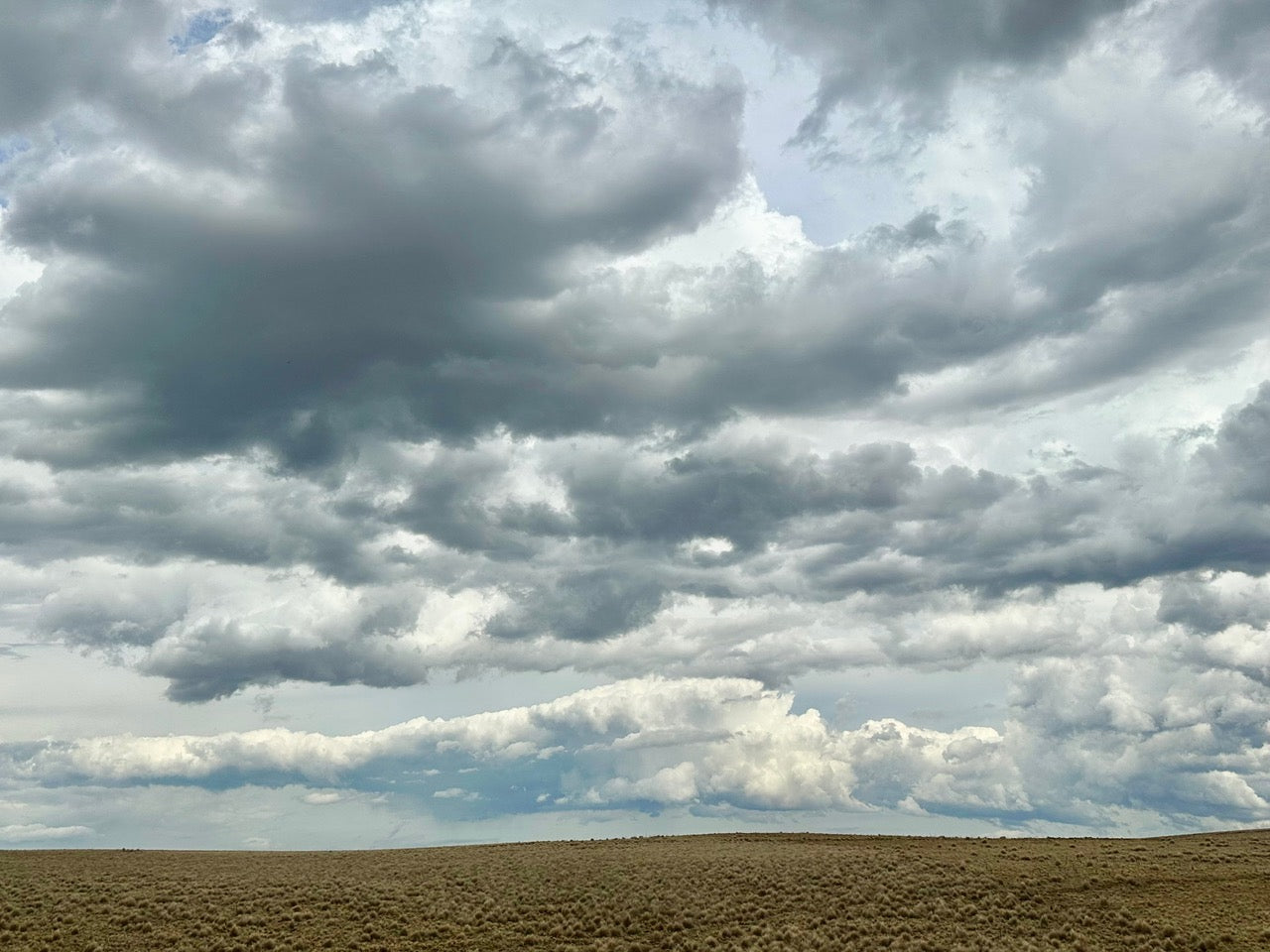
At the snap of a finger, the vista at Bobundara, my home at the foothills of the Snowy Mountains, has changed hue from dusty brown to bright green, simply by being under a freak thunderstorm. I shouldn’t be surprised. Bobundara means “place of thunder” in local Indigenous language. And it was a huge downpour.
SHOP TRISHA'S GARDENING ESSENTALS
And don’t you just love petrichor, the rich, earthy fragrance the soil emits when rain falls on dry ground? Some scientists believe humans appreciate that scent because our ancestors may have relied on rainy weather for survival.
I recall years ago a friend alerting me to the word. This is what he sent:
"The word is constructed from the Greek petra, meaning “stone”, and ichor, the fluid that flows in the veins of the gods in Greek mythology. The term was coined in 1964 by two Australian CSIRO researchers, describing how the smell derives from an oil exuded by certain plants during dry periods. This oil is absorbed by clay-based soils and rocks. During rain, it is released into the air along with another compound, geosmin, a metabolic by-product of certain actinobacteria emitted by wet soil, producing the distinctive scent."

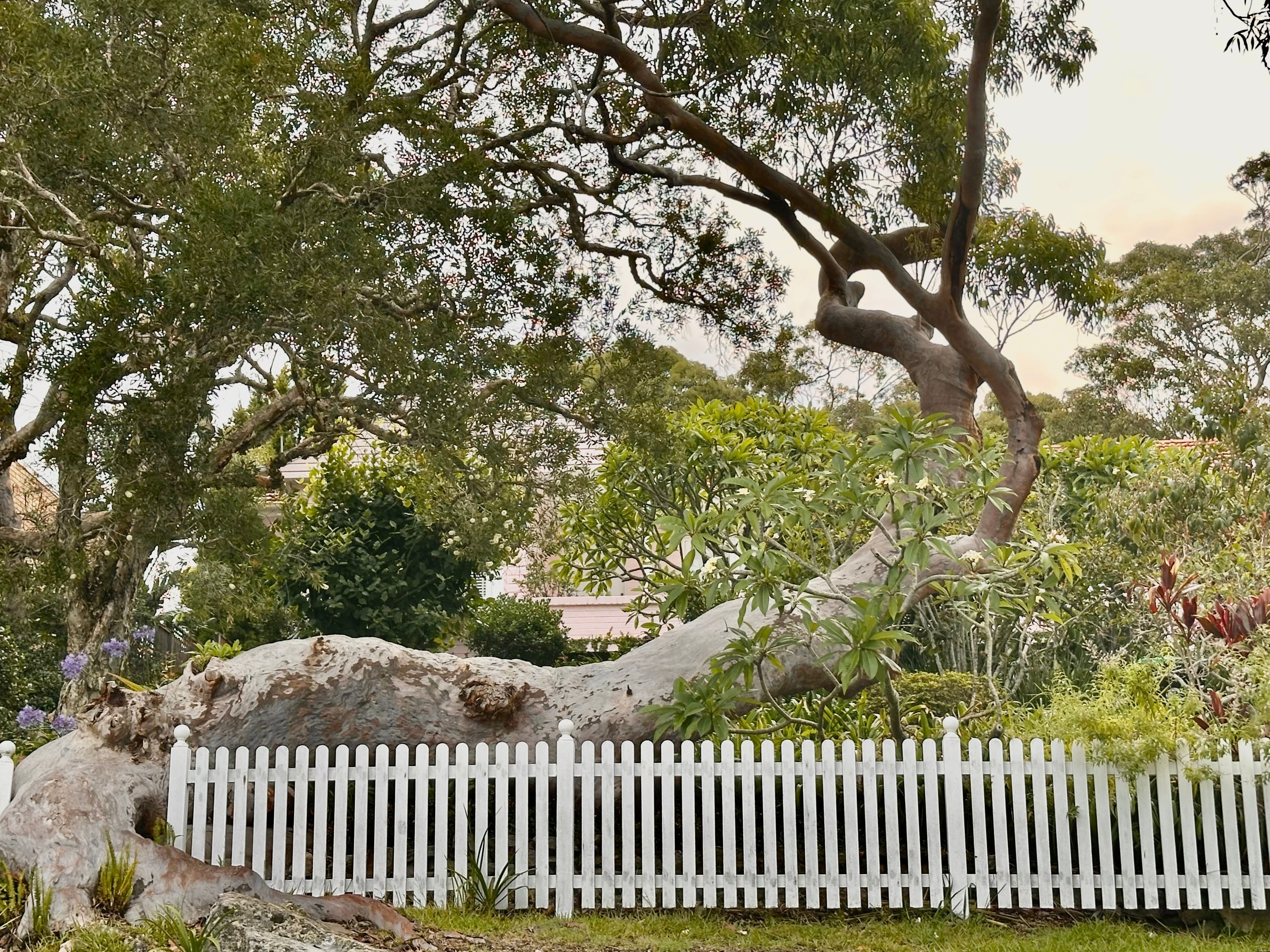
As I write this, I am in the world of angophora trees in northern Sydney — sensuously shaped, pink-hued, magnificent trees endemic to the eastern seaboard of the Northern Beaches. They are, in fact, part of the myrtle family, although they look so much like eucalypts. The difference lies in their leaves, which are usually opposite rather than alternate, and their flower buds, which are covered by overlapping pointed calyx lobes instead of the operculum, or lid, seen on eucalypts.

Commonly known as Sydney Red Gum because of its gooey red sap, it was this tree and its gum that inspired Sir Joseph Banks to call this large group of trees, including the eucalypts, “gum trees”. Aboriginal peoples of the Sydney region know the tree as kajimbourra.
It is such a totally different palette of plants here on the coastal fringe, almost nothing similar to what survives at home on the Monaro. I do love that diversity. Here, nearly everything is glossy green, whereas the palette I’ve found that survives drought, snow and heat is dominated by grey-leaved plants, either indigenous to harsher regions or Mediterranean in origin.

SHOP TRISHA'S GARDENING ESSENTALS
And how quickly you come to love those that survive and refuse to wilt through horrendous hot summer winds or minus five-degree frosts.
After years of playing Russian roulette with plants, I realised it all comes back to growing what not only survives but thrives. Just as in the paddocks — for years I did the publicity for Monaro Angus cattle, whose motto was, “Thrive and survive. If they survive here, they’ll thrive elsewhere.”

Not only the plants, but garden owners too need that grit to endure droughts, floods, frosts, winds and searing heat.
As poet and philosopher John O’Donohue said, “The way you look at things is the most powerful force in shaping your life.”
Trisha xx